

How a village of 258 people served, suffered, gave and began again
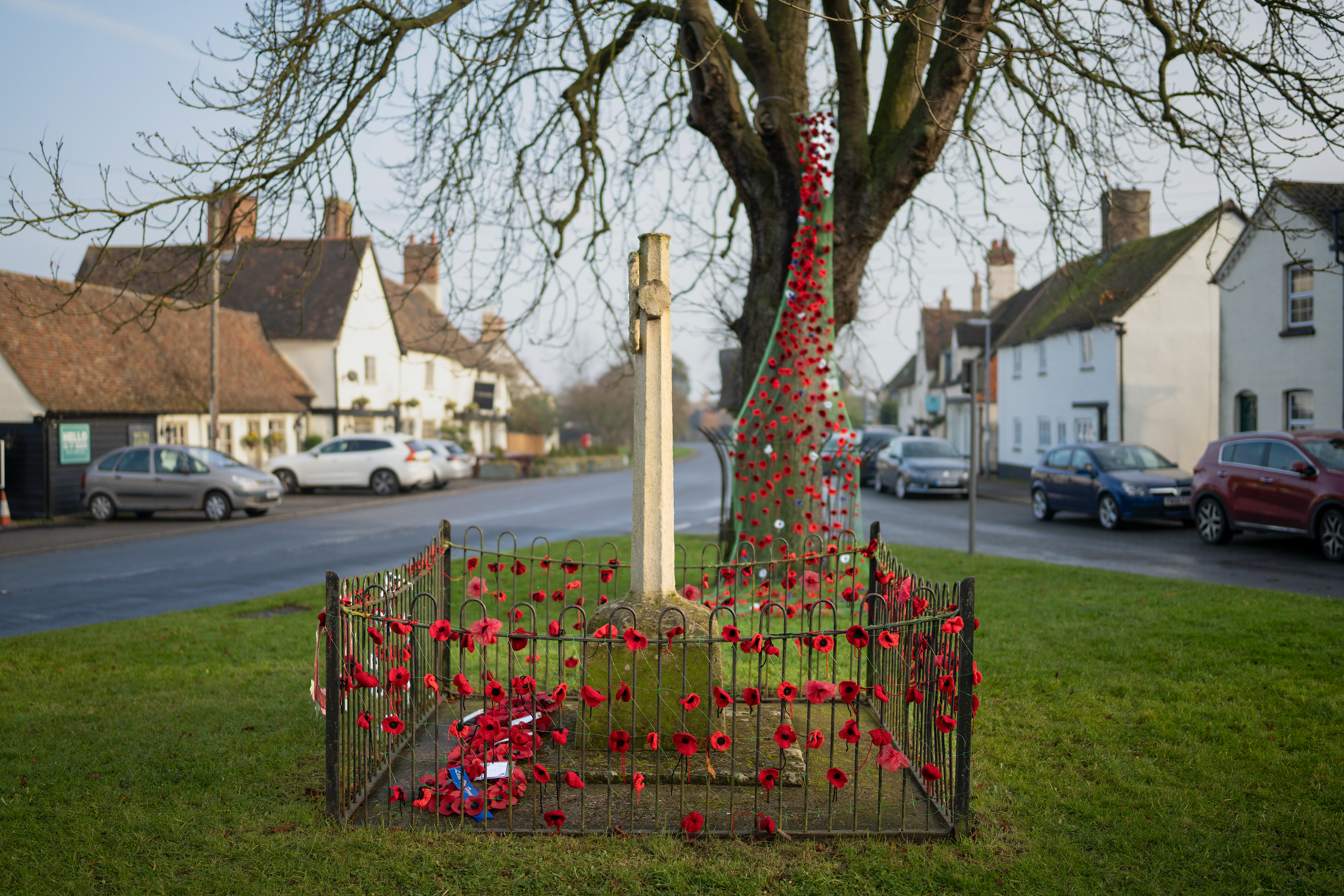
For a small rural community, the First World War brought pain and grief. Six local men named on the village memorial died. Many more served.
Historical records also show how much villagers contributed beyond what Spaldwick’s size might suggest. That conclusion is supported not by one flattering report but by separate evidence of savings, charitable giving and attendance. Families opened cottages to Belgian refugees, women organised relief and neighbours repeatedly gave what they could.
When peace came, the village did not simply return to the life it had known. It remembered its dead, restored its church bells and turned an old Army hut into a place where everyone could meet.
When the war came to Spaldwick
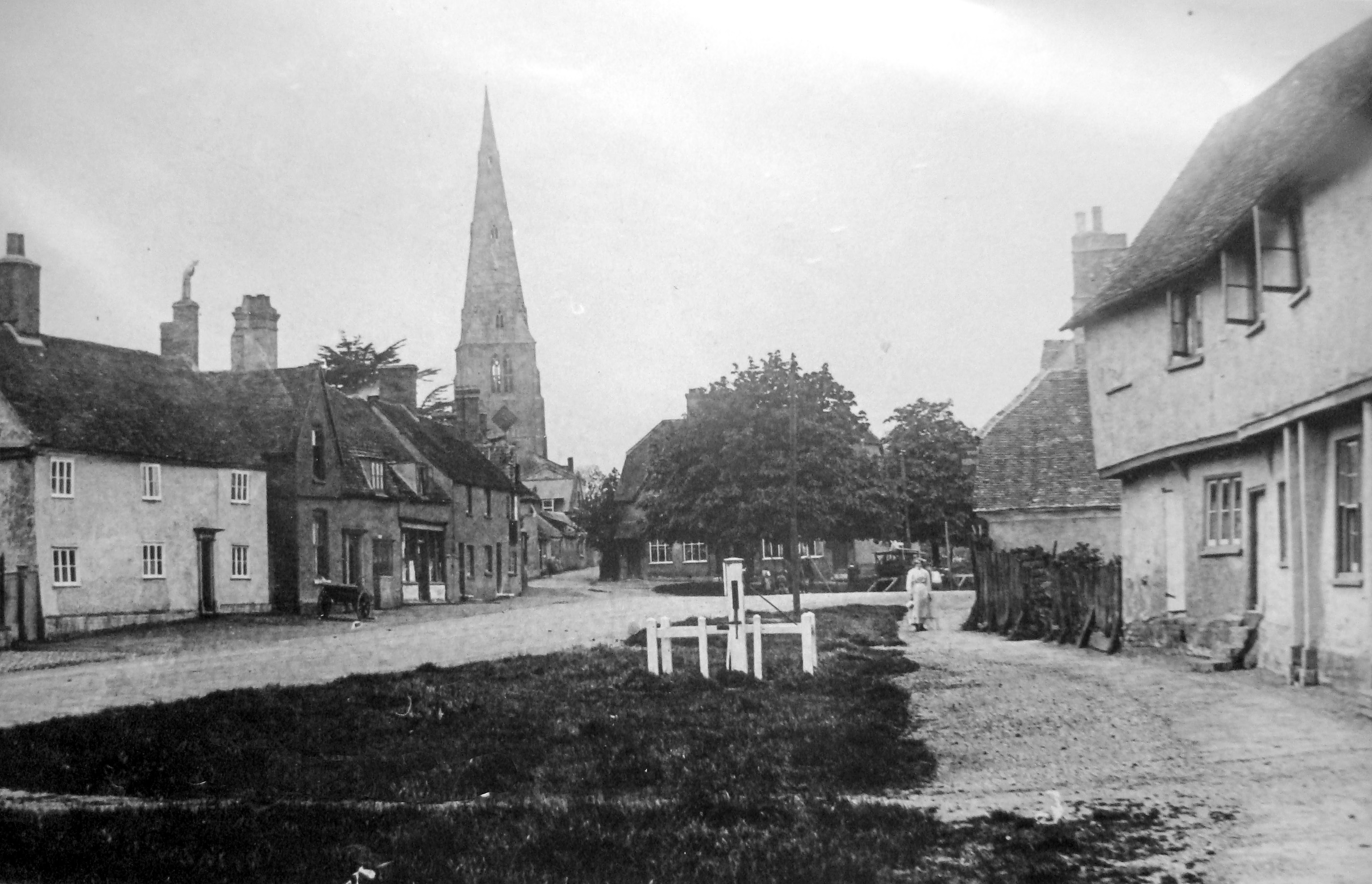
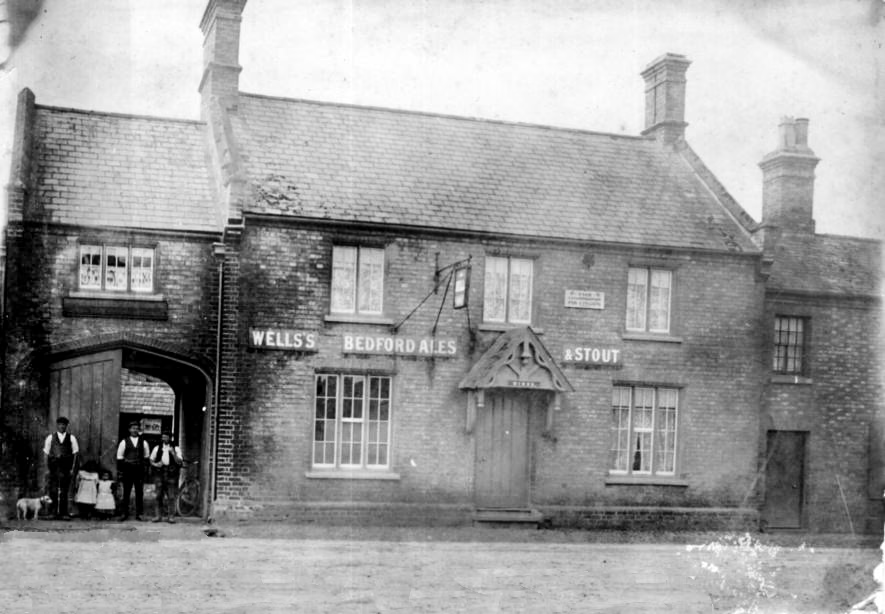
In 1911, just 258 people lived in Spaldwick – significantly fewer than in modern-day Spaldwick, with its approximately 600 residents. Most knew one another through the school, the farms, St James’s Church, the Union Church, the inns and the small organisations that kept village life moving. When war began in August 1914, those familiar places became the means by which people responded.
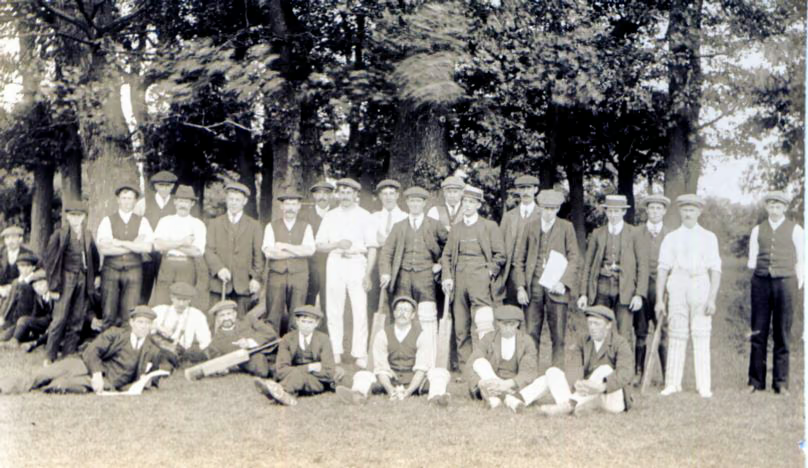
Only three days before Britain declared war on Germany, Spaldwick was celebrating the success of its cricket club. It had won the Coote Cup, defeating Alconbury Weston by two wickets at Stukeley Park. R. Nicholls scored 51 in the winning innings.
Just three weeks after Britain entered the war, women met in the schoolroom to support the families of servicemen. Miss Crust was asked to call at every house for subscriptions. Other women made garments at home and delivered them to Mrs McClelland (the wife of Reverend Robert George McClelland) at the Vicarage for forwarding. The report is brief and practical, but behind it is a village beginning to understand that the war would demand work from those who stayed as well as those who left.
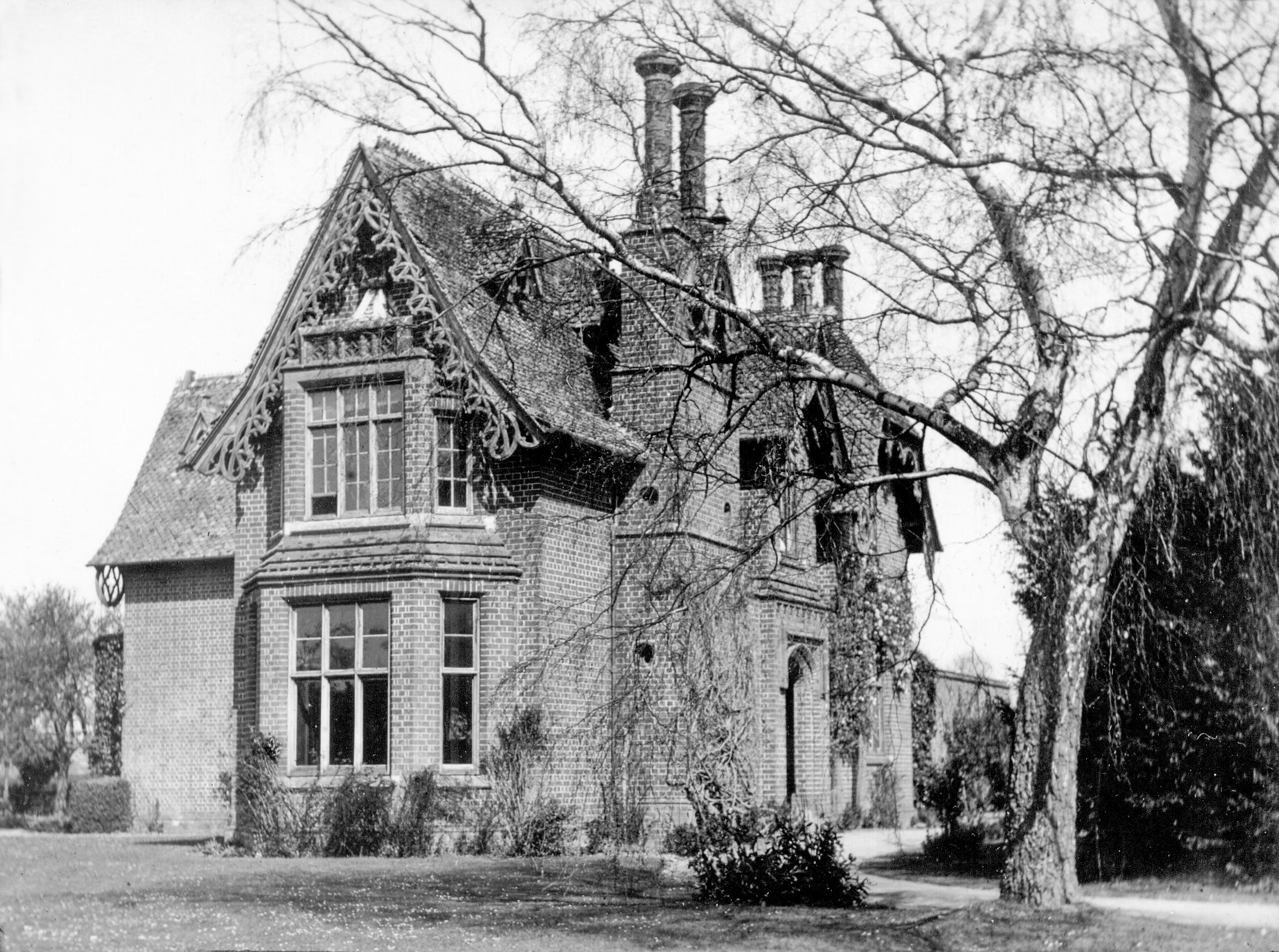
There was also a direct connection with the fighting through Harold Ashton, the Spaldwick-born son of the village grocer who had become a national journalist and war correspondent. His book First from the Front appeared in October 1914, describing a week in the North Sea and twenty eventful days in northern France. Later books mixed reporting, fiction, humour and memories of the village in which he had grown up.
Shelter for Belgian families
On 28 October 1914, villagers gathered in the schoolroom and agreed unanimously to make room for two small Belgian refugee families. Alfred Burton of Easton offered one cottage and another was found in Royston Row at a nominal rent. People supplied furniture and household necessities, and a committee divided the village into districts so that weekly support could be collected. Spaldwick also gave £8 to the Prince of Wales’s Fund and £5 to King Albert’s Fund – £13 in all, approximately £2,000 in 2025 purchasing power.
The refugees were not an anonymous group. A family of three adults settled in Royston Row and told the newspaper of their gratitude and happiness. The Earl of Sandwich later visited with an interpreter. Another refugee was Gustaf van Zelst, a 53-year-old leather worker from Antwerp. He died under anaesthetic at Huntingdon County Hospital on 2 May 1915. His brother-in-law, Charles van der Bergh, a Belgian fitter then living in Spaldwick, identified him. The Mayor of Huntingdon’s Belgian fund paid for a Roman Catholic funeral so that, as the report put it, he would not be buried as a pauper.
What is already clear is that Spaldwick’s wartime history included hospitality to displaced people as well as service overseas.
Service, gallantry and conscience
The Roll of Honour
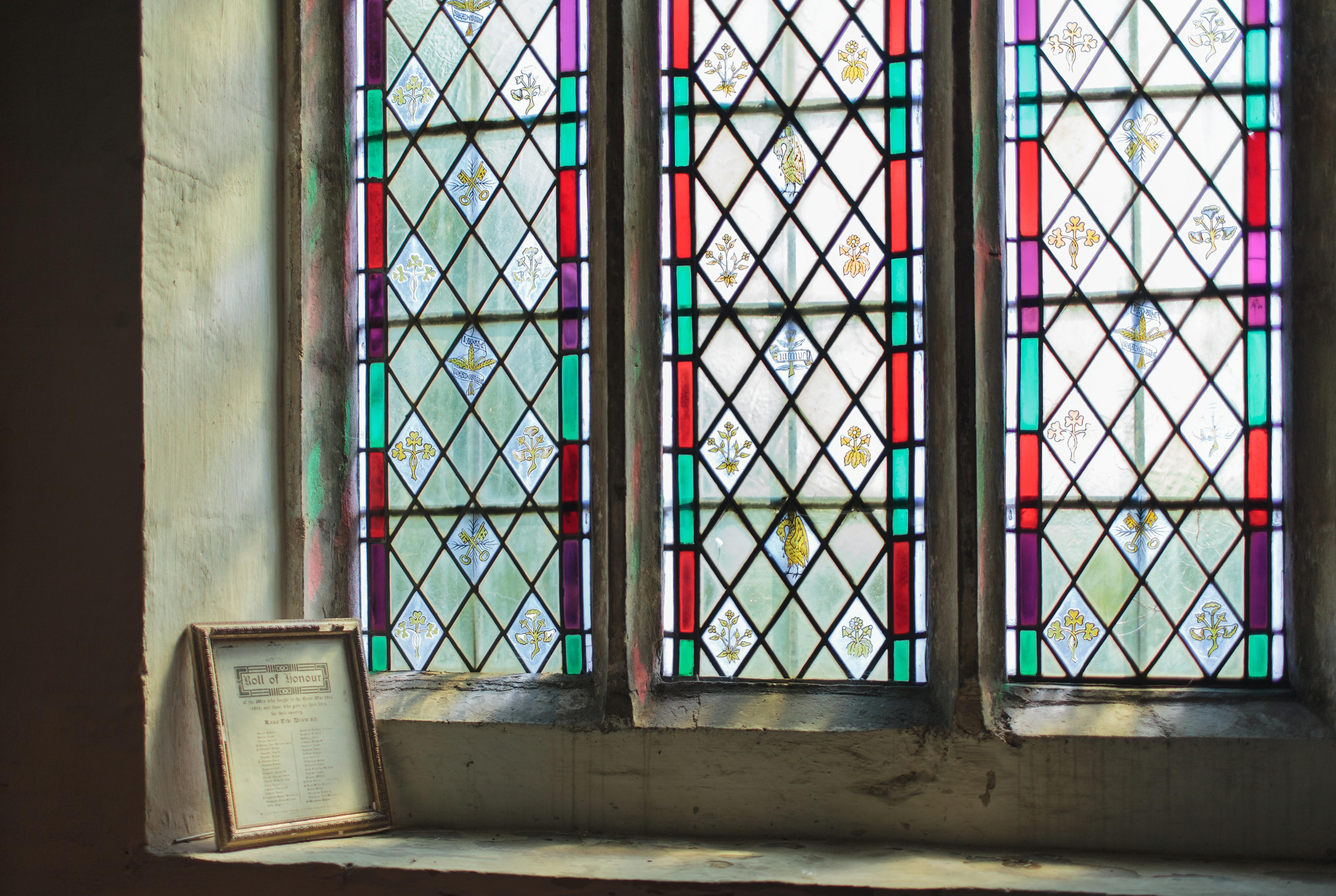
The framed Roll of Honour in St James’s Church records 38 men, including nine identified as Barham. It gives some sense of how many households were touched by service, although it is not a complete census and its rules for inclusion are unknown. John William Chapman, later named on the stone memorial, is absent from the published transcription.
Roger Fuller and the Distinguished Conduct Medal
One entry on the Roll of Honour reads “Fuller, Roger D.C.M.” The Edinburgh Gazette confirms that 6682 Private R. Fuller of the 2nd Battalion, Suffolk Regiment, received the Distinguished Conduct Medal. His citation records that near Kemmel on 14 December 1914 he left his trench voluntarily to help rescue a wounded officer and was himself wounded. In 1917, he was wounded again – in the foot, arm, hand, head and face – while binding another man’s wounds. It was feared that he had lost his sight, but, thankfully, it returned while he was in hospital in Cardiff.
Conscience and conscription
Military tribunals revealed a different kind of conflict. A 24-year-old Spaldwick horseman was reported as saying that he would rather die with a free conscience than kill a German. A 22-year-old farm worker said that he feared the Lord rather than Germany or the world. Both men came from families already touched by service, and the tribunal recommended non-combatant duties, which they also resisted.
The newspaper reporting was openly unsympathetic, and the men’s names and religious community have not been securely identified. Even so, their presence matters. Spaldwick contained bereaved parents, serving brothers, essential workers and men whose faith forbade them to kill. The village did not always speak with one voice.
Six men lost
Six deaths in a parish of only 258 convey how visible the losses must have been. The men died in France, Belgium and Mesopotamia or disappeared into battles far from home; their families experienced the war through telegrams, letters and long periods without news.
Arthur Robert Chandler
Age 25 · died 16 March 1915
The first of two Chandler brothers to die; a husband and father.
Walter Whittlesea Dighton
Age 24 · died 22 November 1915
Known as Whit; killed at Ctesiphon after writing home from Mesopotamia.
Percy William Chandler
Age 31 · died 28 June 1916
Died of wounds sixteen months after his brother Arthur.
William Woodham
Age 39 · died 18 October 1916
A farm worker who left Annie and four young children.
William Burton
Age 38 · died 24 April 1917
Died after wounds and illness; left a widow and three children.
John William Chapman
Age 19 · died 31 May 1918
The youngest of the six; has no known grave.
The Chandler brothers
Arthur Robert Chandler was killed near Ypres on 16 March 1915, aged 25. His letters home had described fighting at Mons, helping wounded men and pulling an ambulance after its horses were killed. He left his wife Ida and a young family. Sixteen months later, his older brother Percy died of wounds, aged 31. Percy had previously been wounded at Ypres, recovered in France and Brighton, spent a month at home and returned to his regiment, rising to Company Sergeant Major. William and Jane Chandler had lost two sons while a third, Ernest, remained in service.
Whit Dighton
Walter Whittlesea Dighton was known to his family and friends as Whit. He had served in India before being sent to the Persian Gulf, and his letters described campaigning beside the Tigris in extreme heat. After Arthur Chandler’s death, Whit wrote of Arthur’s wife, children and parents: “That is the worst of war, when the ones you love are taken from you.” Whit died at Ctesiphon on 22 November 1915, aged 24. The official news reached Spaldwick on Christmas Day; two letters written shortly before his death arrived afterwards, still full of courage and hope.
William Woodham, William Burton and John Chapman
William Woodham was killed in France on 18 October 1916. A farm worker remembered as steady and reliable, he left his wife Annie Burton and four young children. The Duke of Bedford wrote personally to Annie that her husband had died “a gallant death”.
William Burton died after wounds and pneumonia on 24 April 1917, leaving a widow and three children. A Sister-in-Charge wrote that he was barely conscious but smiled when he realised he was in a real bed.
John William “Jack” Chapman, the youngest of the six, died on 31 May 1918 aged 19. One of ten children and formerly a grocer’s apprentice, he has no known grave and is commemorated on the Soissons Memorial.
The stone memorial gives six names. The letters and newspaper reports reveal real people and households: parents losing two sons, widows raising children, familiar nicknames and words written before the final devastating news arrived.
A village that gave beyond its size
Spaldwick’s wartime fundraising was not a single burst of enthusiasm. In October 1915, a sale for the proposed Star and Garter home for disabled servicemen and for agricultural relief among the Allies raised about £235 – approximately £37,000 in 2025 purchasing power. Livestock, farm produce, furniture and family possessions were donated. A small pig was bought and returned for resale six times, an old hen eleven times and a pair of tame rabbits ten times.
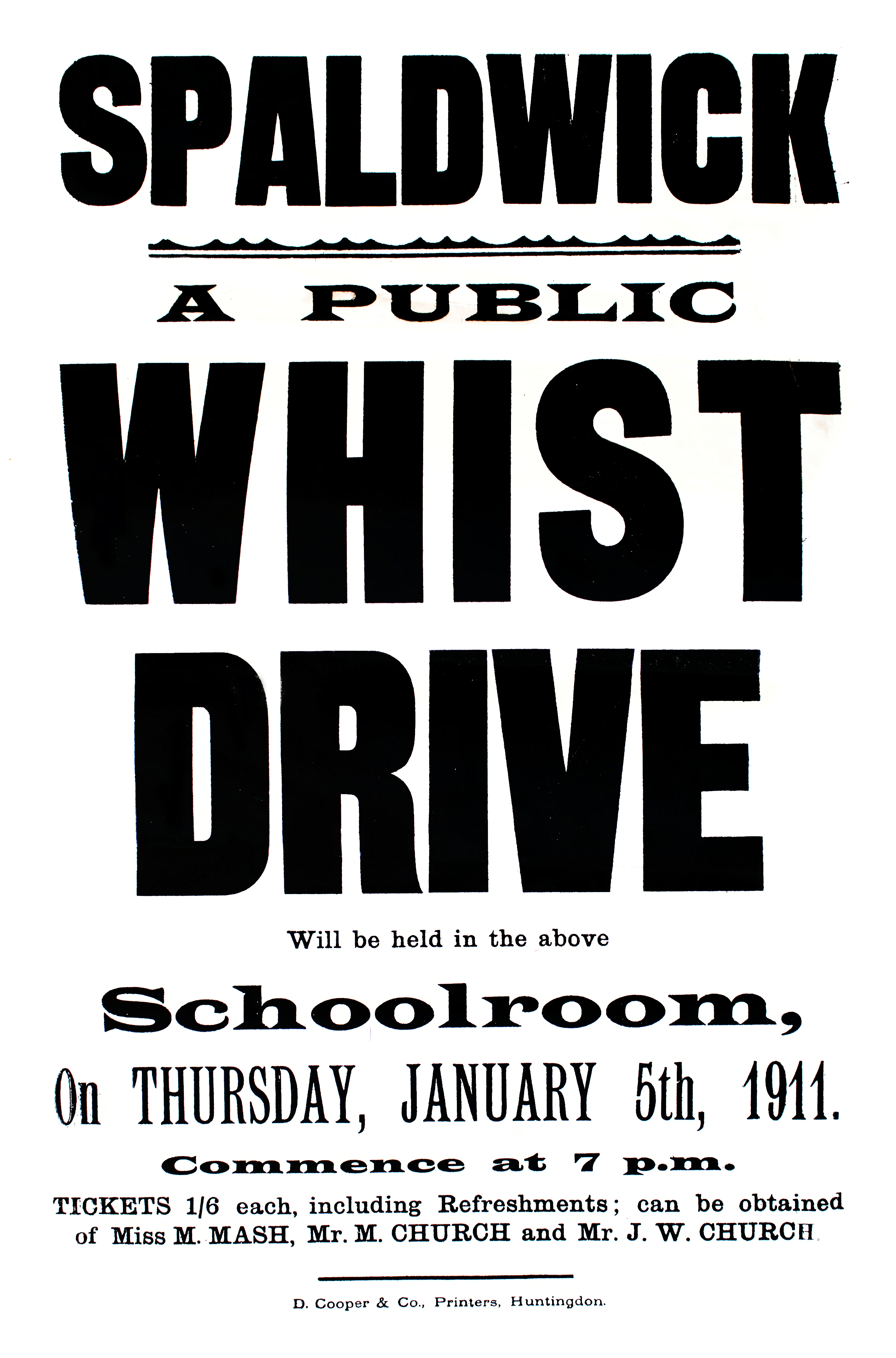
The pattern continued. In 1917, the Spaldwick committee district held 221 war-savings certificates, compared with 127 in the Kimbolton district. In a six-village Red Cross appeal, Spaldwick alone contributed £61 of the £154 8s 3d total, approximately £7,100 of £18,000 in 2025 prices. Later that year, 92 people filled the schoolroom for a whist drive, raising £21 19s 5½d, approximately £2,600 in 2025 purchasing power. Twenty-two registered letters were sent to people serving overseas or elsewhere in Britain, and coal was provided for two widows.
Savings, charitable giving and attendance are different measures reported by different organisations. Together they support a careful conclusion: the village repeatedly contributed beyond what its small population might suggest.
Keeping farms, school and village life going
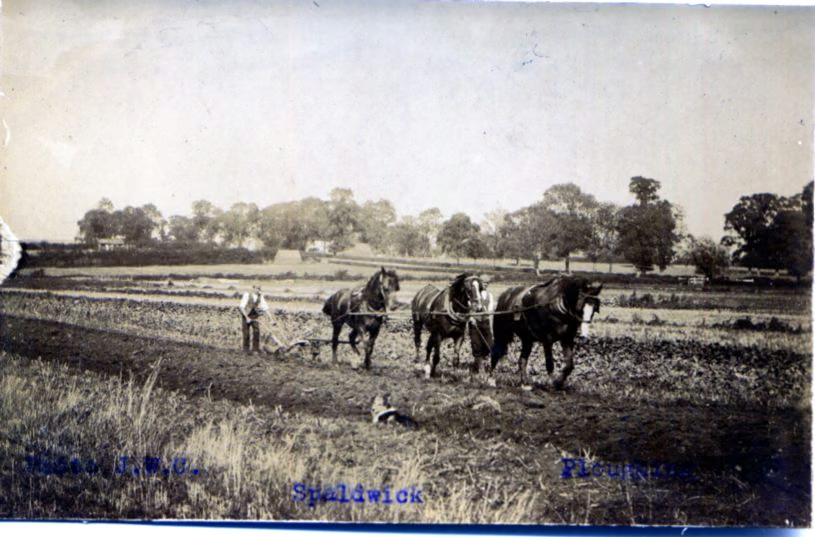
The war removed men from the jobs on which village life depended. Tribunal reports describe a 400-acre holding facing the loss of five of its six men, a 31-year-old managing 140 acres for his father and smaller farms trying to retain horsemen, shepherds and stockmen. A blacksmith who shod horses for five villages was exempted without military opposition. Another resident was valued as a cycle agent, former assistant overseer and generally “handy” man – an understated description of the people who kept a rural community working.
Women’s responsibilities expanded beyond the relief work begun in 1914. Miss Hunnybun became clerk to the local tribunal in the same month that it discussed women working on the land. In 1918, Spaldwick School served as a polling station in the first general election in which some women could vote. In 1919, Lilian Last organised a women’s cricket team that defeated the village men by twelve runs, with the men batting and fielding left-handed.
The school records another side of wartime life. An epidemic of measles described as “raging throughout the village” forced Spaldwick’s school to close. Elizabeth Sarah “Lizzie” Burton, the youngest daughter of George Burton, appeared to recover from the illness, but on 19 March became suddenly unconscious and died before the doctor could reach her. Lizzie had belonged to the church choir from infancy. At her funeral, the schoolchildren gathered at her flower-lined grave. The newspaper reported that Lizzie’s death “created quite a gloom in the village”.
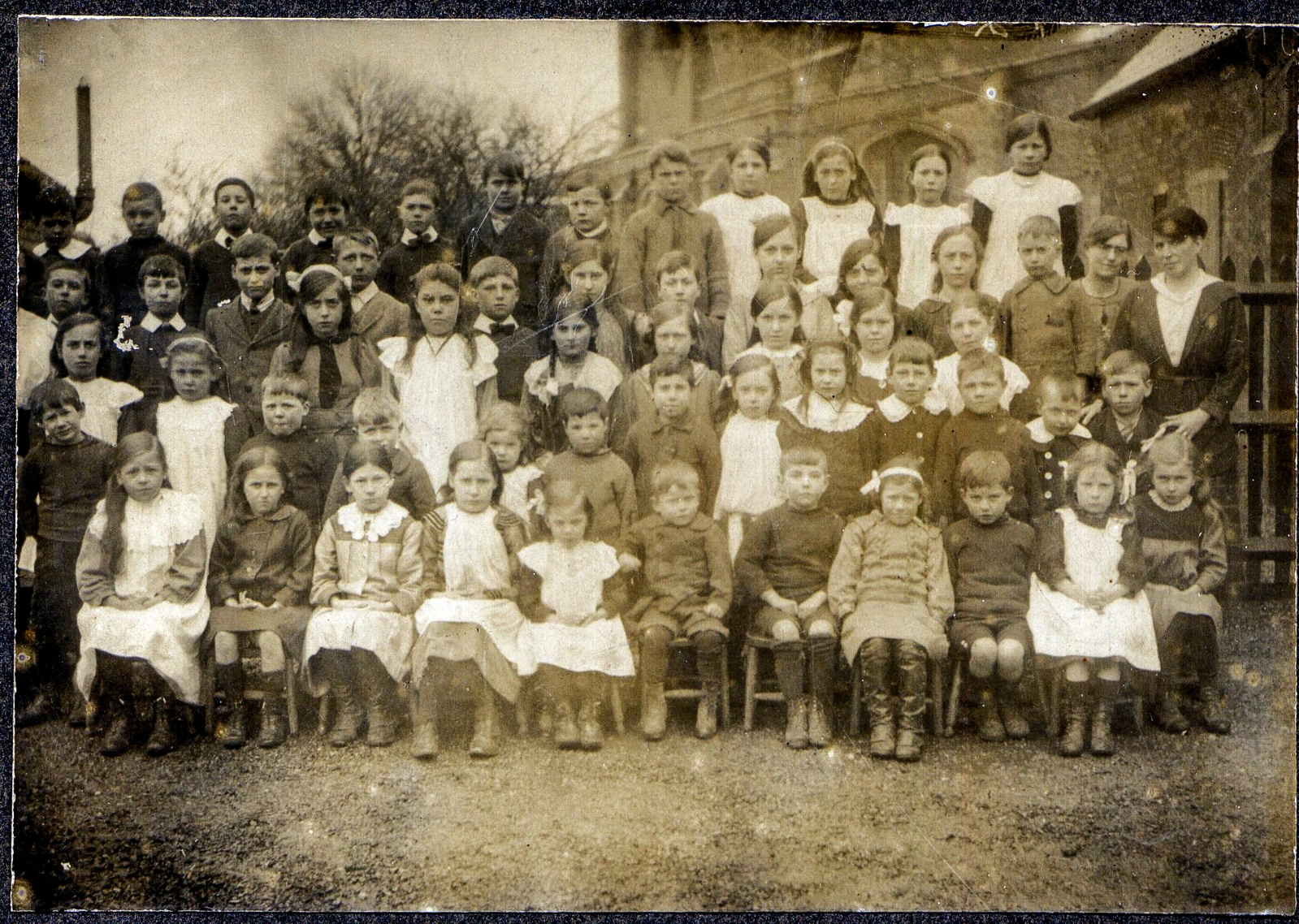
In the same year, Lilian Last of Spaldwick won a Huntingdonshire County Junior Scholarship, taking second place in the county examination.
In 1918, Mrs Southall retired after 52 years in teaching, including thirteen and a half in Spaldwick. In 1920, Kathleen Davis was celebrated for completing eight years and seven months at the school without a single absence – an unbroken record stretching across almost the whole war.
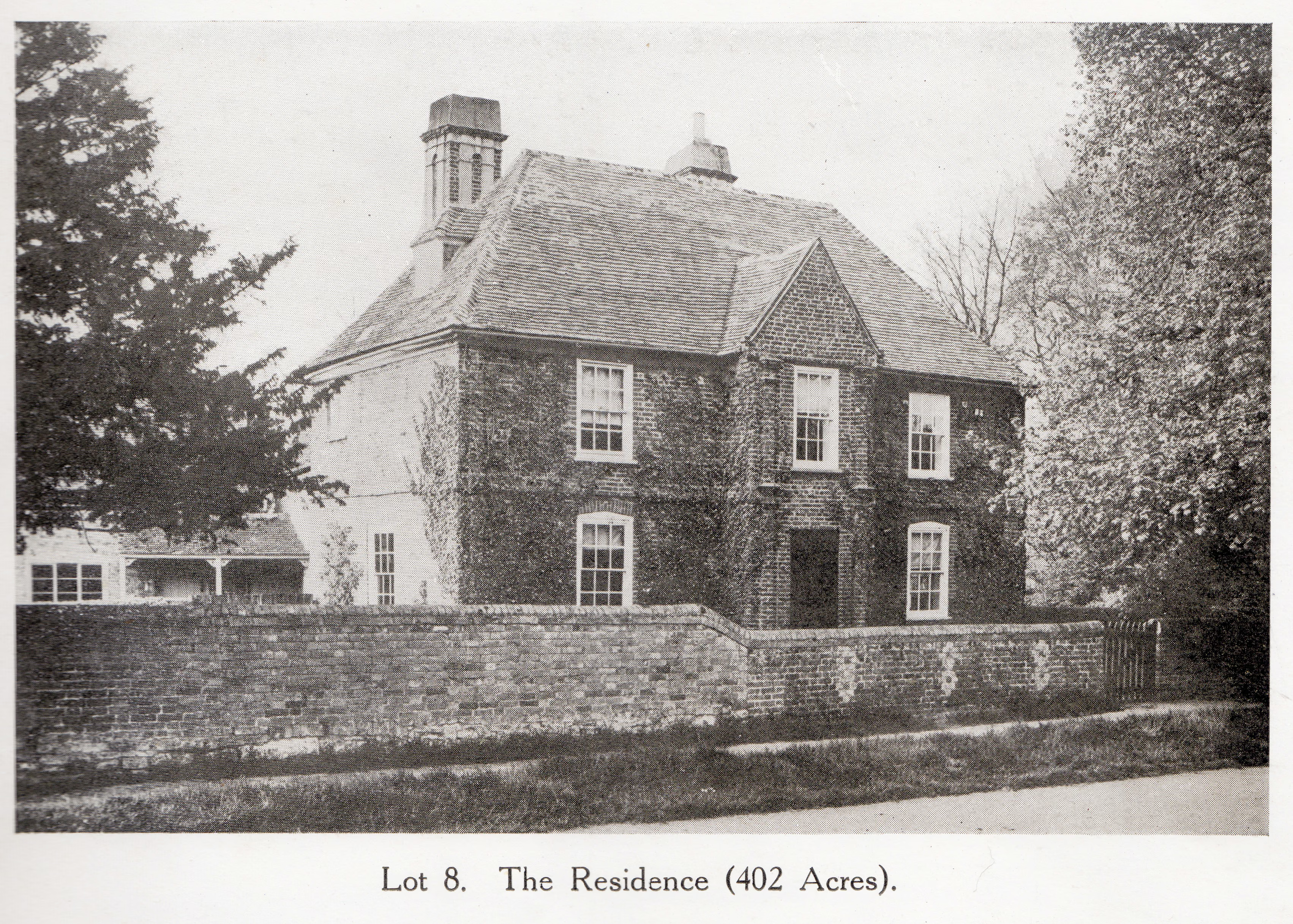
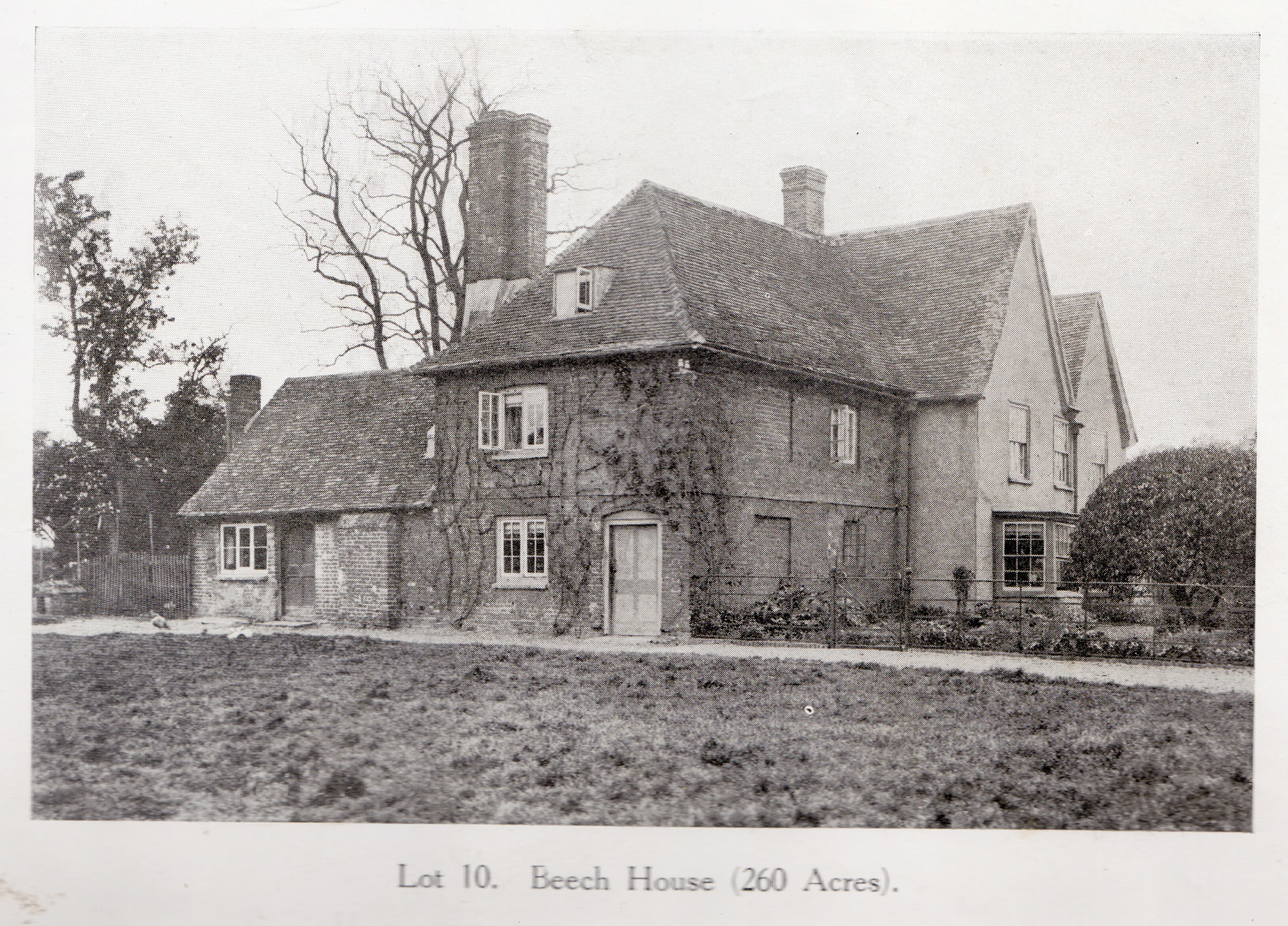
Technology and property also altered village experience. A government travelling cinema drew a large crowd in May 1918 to see films of the conflict. Two months later the break-up of the Duke of Manchester’s estate put West Lodge Farm, Manor Farm, Beech House, cottages and pasture under the hammer. The landscape of ownership was changing while fighting continued.
Church, chapel and community
St James’s Church and the Union Church were both central to wartime organisation. A new organ costing £85 – approximately £12,000 in 2025 prices – was dedicated at St James’s on 2 November 1916.
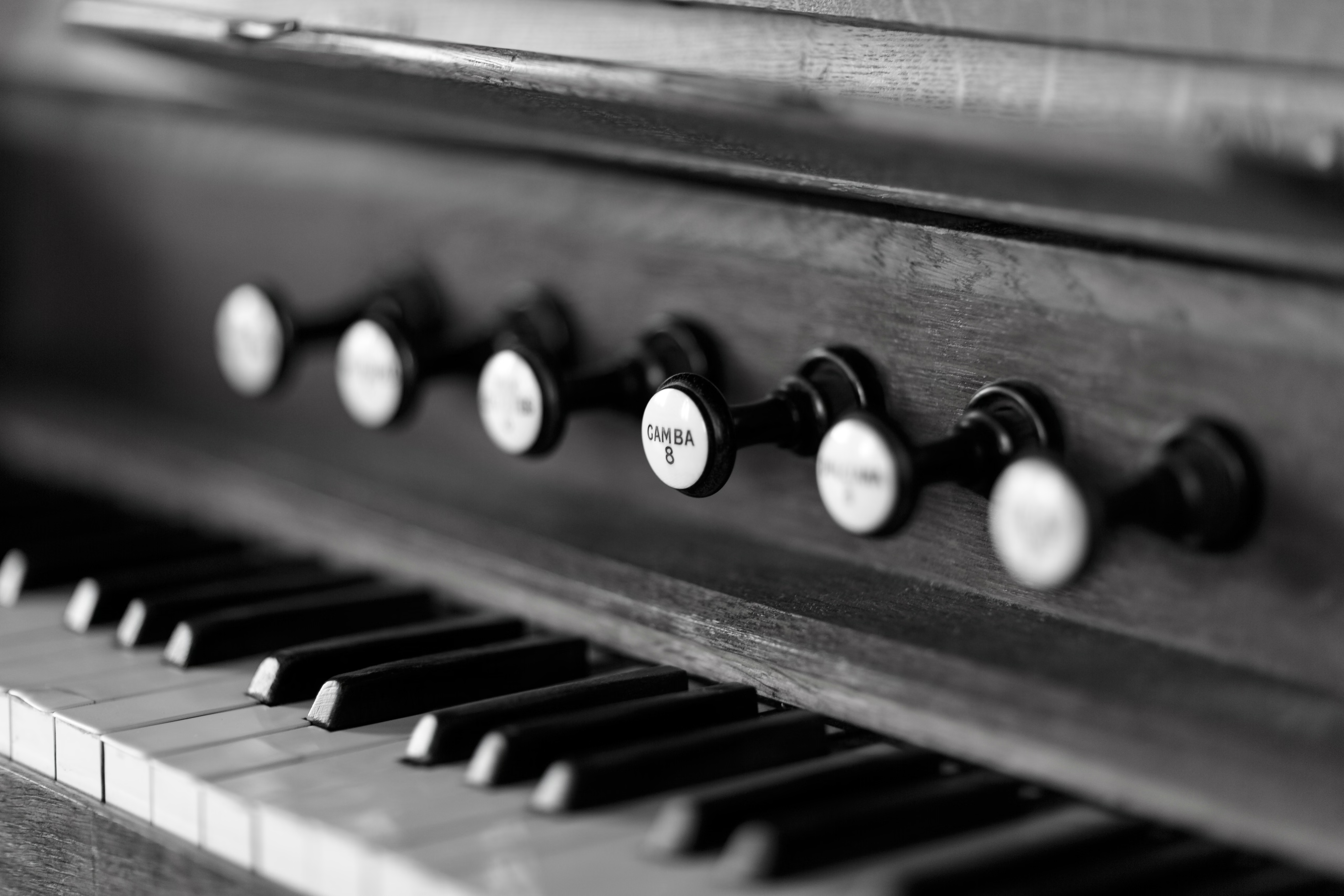
The Archdeacon spoke of praise “in time of trouble also”. The report appeared in the same newspaper edition as news of William Woodham’s death, making the connection between continuity, worship and loss unusually stark.
The Union Church had its own pastor, deacons, schoolroom, Band of Hope and a circuit extending to Ellington. It was registered for marriages on 22 January 1917, and Florence Davis and Edgar Adams became the first couple entered in its new register in March 1919. A public religious quarrel in 1920 later gave way to a united Anglican and Nonconformist service before the war memorial unveiling. That movement from dispute to “the Spirit of Unity” is one of the most telling post-war stories in the archive.
From Armistice to a new normal
The Armistice did not end the work of war. A November 1918 Peace Sale had originally been intended to help prisoners of war. War-bond subscriptions in the parish exceeded £1,000 – approximately £94,000 in 2025 prices. In January 1919 more than 100 people filled 24 tables in the schoolroom as fundraising began for a permanent memorial; two rabbits donated as a prize were repeatedly auctioned, adding £1 18s 6d to the fund.
Peace celebrations were planned for Saturday 19 July 1919, interrupted by rain and resumed on the Monday. The programme included bell-ringing, thanksgiving, Married versus Single cricket, tea for every village child, a ham tea for adults, games and an impromptu dance around a borrowed piano. Celebration sat beside continuing need. The Spaldwick Centre’s war-relief committee held £377 16s 6d – about £29,000 in 2025 prices – and gave £100 to St Dunstan’s for blinded servicemen and the balance to Huntingdon County Hospital.
Four council houses were approved in 1920, although shortages and inflation drove the eventual cost to £5,034, approximately £351,000 in 2025 prices. At Christmas, former servicemen received tobacco bought from the surplus of the Peace Celebrations. In January 1921, Spaldwick and Easton founded a Women’s Institute: sixty women enrolled in one afternoon and fifty attended the first meeting. These developments belong to the aftermath because they show people building new social arrangements as well as commemorating what had been lost.
Three acts of recovery in 1921
In the autumn of 1921, three events within twelve weeks gave the village ways to carry its experience forward. Spaldwick heard its church bells again, gathered around the six names on its memorial and opened a hall intended as common ground for village life.
The church bells ring again
The campaign to restore the bells had run through whist drives, dances, a concert on the Vicarage lawn and an American Fair.
The fair alone raised £100 – approximately £7,000 in 2025 prices – and by October 1920 the fund had reached the estimated £342 cost, approximately £24,000. Alfred Bowell of Ipswich recast the old treble, added a new treble and hung the six bells in a steel frame.
On 8 September 1921 Bowell, his workmen and local ringers sounded the rehung bells for the first time. A labour-saving apparatus allowed one person to chime all six. Their return came two days after the funeral of Charles Fortescue Watts, joining renewal once again with loss.
The memorial on the Green
On Sunday 20 November 1921, an exceptionally large congregation gathered in St James’s Church for a united service led by the Vicar, the Revd H. T. Havard-Jones, and the Revd P. Miller of the Union Church. Choristers, clergy, ex-servicemen and the congregation then processed to the Green singing. The Revd F. L. Powys-Maurice unveiled the memorial, and Drum-Major Swift of Brampton sounded the Last Post.
The eight-foot Gothic cross of Weldon stone was carved and erected by W. E. Ashley of Godmanchester for about £40 – approximately £2,400 in 2025 prices. Around its base lay twenty-one floral tributes. Some named individual men: Whit Dighton, Jack Chapman, “dear Bill” and “our dear Father”. One spoke for the whole village: “In remembrance of all Spaldwick men who gave their lives that we might live.” The simplest message, from Mr and Mrs Manby, may have said the most: “Only those who parted know the pain.”
Victory Hall and common ground
Victory Hall began at a February meeting in the Chapel Schoolroom. The Revd Peter Miller argued that the village needed common ground where all classes and sects could meet. A committee was formed that evening.
The building itself carried a wartime history. The former Army hut had stood in Mrs Scott-Gatty’s grounds in Huntingdon, where it served first as a Red Cross hospital and then under a government scheme for wounded soldiers. It was bought, moved to the Stow Road and rebuilt. When it technically encroached on highway land, the County Council allowed it to remain for a rent of five shillings a year rather than requiring demolition.
Locker-Lampson opened the hall on 29 November 1921.
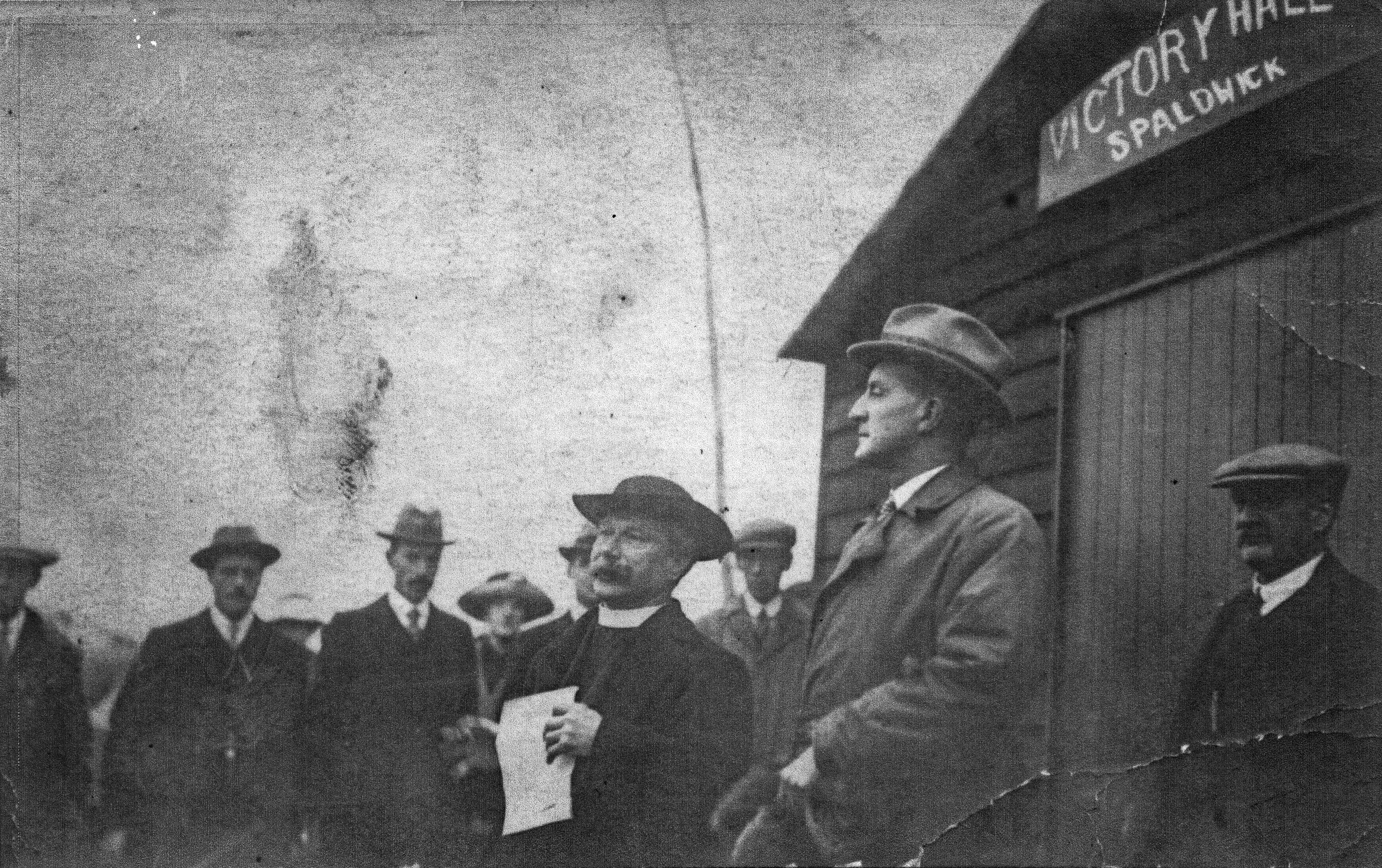
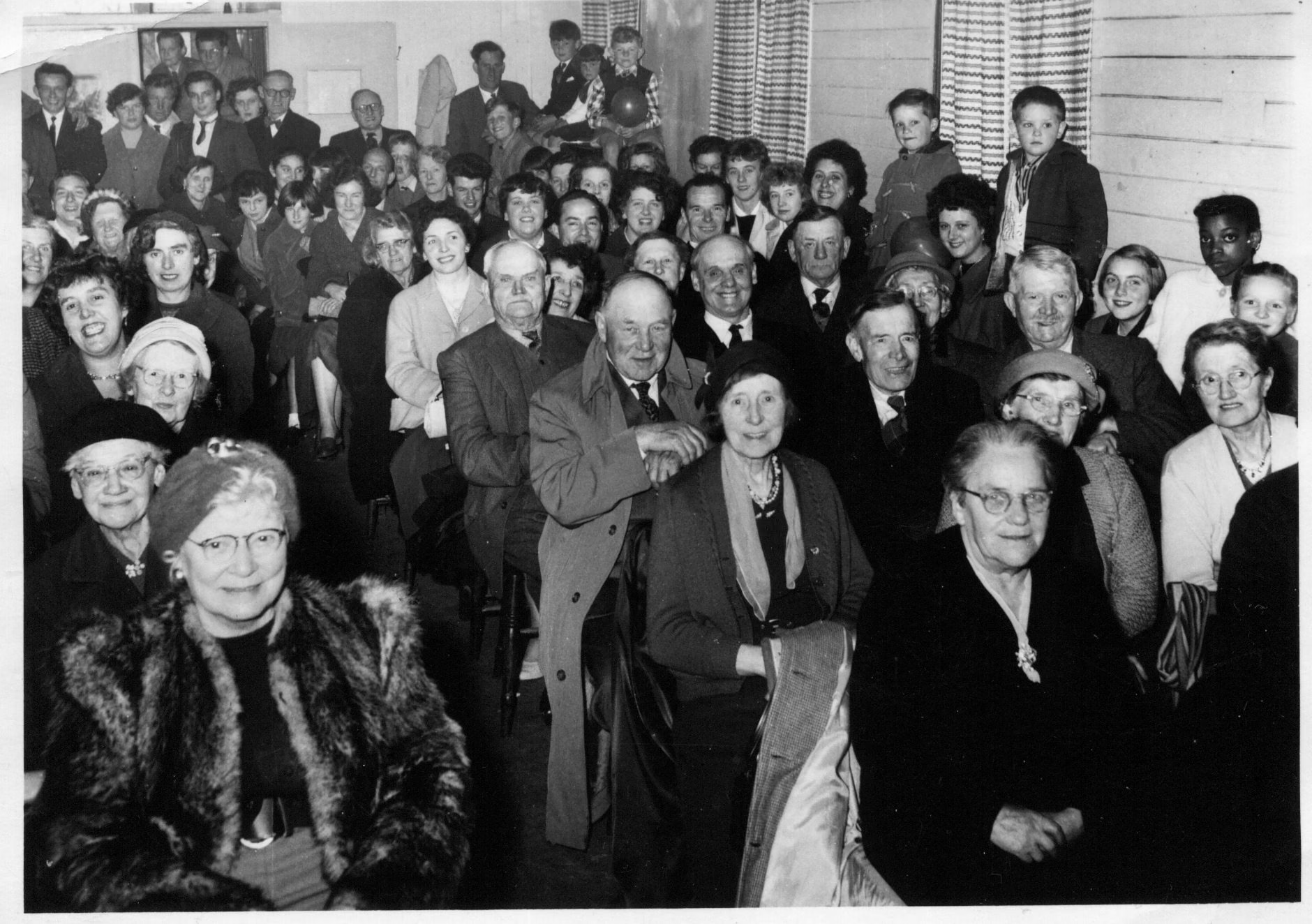
When he unlocked the door, ex-servicemen followed him inside, then the rest of the villagers. Mrs Scott-Gatty asked the women present to set themselves resolutely against war. A sale of work, concert and dance raised £47 9s 6d – approximately £2,900 in 2025 prices – and a Red Cross lantern lecture was held the very next evening. By January 1922, the name Victory Hall was established and the building was in regular use. A hut that had once received wounded soldiers had become a shared place for the village’s future.
What Spaldwick’s story reveals
Spaldwick’s First World War history is not just a catalogue of patriotic acts or a list of casualties. It is the story of a small community negotiating service, conscience, labour, bereavement and responsibility to strangers. It shows women organising relief and entering new public roles, farmers trying to keep food production going, church and chapel sometimes disagreeing and later standing together, and families living with absences that did not end at the Armistice. The village repeatedly acted beyond what its size might suggest.
The aftermath gives the story its proper ending. Spaldwick did not simply return to its old life. It continued relief work, raised a permanent memorial, restored the church bells, built council housing, founded new organisations and opened a hall for common use. The bells, the memorial and Victory Hall gave the village three different ways to remember, rebuild and meet again.
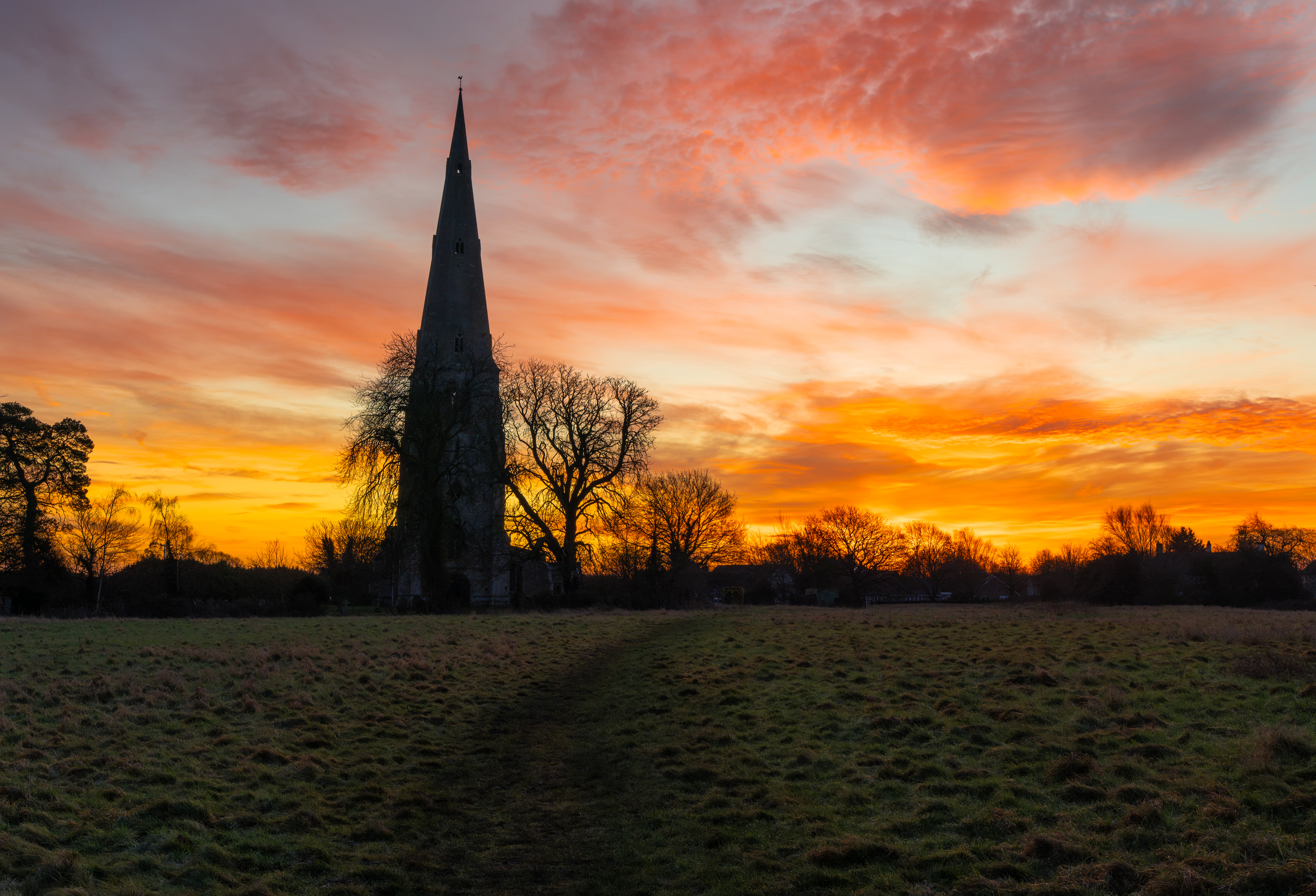
“At the going down of the sun and in the morning
Laurence Binyon, For the Fallen (1914)
We will remember them.”
Sources behind the story
The article has been written from contemporary newspaper cuttings, the village timeline and the First World War and Aftermath Research Master, which preserves the full references, source identifiers and unresolved questions. Further research documents are available in the Research Library. Other evidence includes the church Roll of Honour, official service and commemoration records, census totals, bell-foundry material and research into St James’s Church and the war memorial.
| Source group | What it contributes |
| Research foundation | Spaldwick in the First World War and its Aftermath Research Master, Edition 5, accepted 21 September 2026. |
| Village timeline | 100+ Years of Spaldwick, entries for 1914 to January 1922, checked 16 October 2026. |
| Newspaper archive | Spaldwick Newspaper Archive master catalogue, current edition compiled 25 September 2026: 683 records, including systematic coverage through 1922, with 842 retained article crops and supplied screenshots. |
| Service and commemoration | Spaldwick church Roll of Honour; Commonwealth War Graves Commission; Edinburgh Gazette; War Memorial Research Master Edition 3. |
| Church and village institutions | St James’s Church Research Master Edition 2; bell-foundry records; contemporary reports of the Union Church and Victory Hall. |
| Population and households | 1911 and 1921 census totals and supporting civil and parish record routes. |
Note on modern money
Historical money has no single exact modern equivalent. The rounded comparisons in this article use 2025 purchasing power. They illustrate consumer buying power rather than wages, wealth or the wider economic importance of a sum.
Page last updated: October 2026